

 Uncategorized
Holidays in African Countries: The Complete Destination Guide for First-Time Visitors
Where to Go in Africa: The Best Holiday Destinations for First-Time Visitors
Africa is not a destination. It is a continent of 54 countries, each with its own landscapes, wildlife, cultures, languages, and character. It is bigger than the United States, China, India, and most of Europe combined. And yet, when most people start researching an African holiday for the first time, they type something vague into a search engine and end up more confused than when they started.
That is completely understandable. Africa is genuinely vast and genuinely varied. Choosing where to go for the first time is not a small decision, and the stakes feel high when you are spending significant time and money on a once-in-a-lifetime trip.
This guide is here to cut through that confusion. We are going to walk you through the most popular and most rewarding African holiday destinations for first-time visitors, give you an honest picture of what each one offers, and help you figure out which part of this extraordinary continent is the right fit for you.
We will cover East Africa, Southern Africa, and a few destinations that do not fit neatly into either category but absolutely deserve your attention. By the end, you will have a clear, confident sense of where to start.
When you are ready to start planning, talk to the Maudie Safaris team. We have first-hand experience across all of the destinations in this guide and can help you build an itinerary that fits your time, budget, and travel style.
How to Approach Choosing an African Holiday Destination
Before we dive into specific countries, it helps to think about what kind of experience you are actually looking for. African holidays are not one-size-fits-all, and the destination that is perfect for one traveller may be completely wrong for another.
Ask yourself these questions first
- What is your primary goal? Classic safari and wildlife? Gorilla trekking? Beach and safari combination? Culture and history? Adventure activities? The answer shapes everything.
- How long do you have? Ten days is enough for a focused East Africa safari. Three weeks opens up the possibility of combining two or three countries. Be realistic about travel time between destinations.
- What is your budget? Botswana is genuinely more expensive than Tanzania. South Africa offers extraordinary value. Rwanda requires a large upfront spend on gorilla permits. Knowing your real budget helps narrow the options fast.
- Who are you travelling with? A couple on a honeymoon has different needs from a family with young children, or a solo traveller joining a group departure.
- How adventurous are you? Some destinations like Zambia require a bit more flexibility and comfort with the unexpected. Others like South Africa are as easy and comfortable as travelling in Europe.
Not sure yet? Get in touch with our team and we will ask the right questions to help you figure it out.
East Africa: Where Most First-Time Safari Visitors Start
East Africa is the most iconic safari region on earth. When people picture an African safari, they are usually picturing East Africa: endless golden plains, the Great Migration, Maasai warriors, snow-capped Kilimanjaro on the horizon. It is the classic for good reason.
The region is also genuinely well set up for first-time visitors. International flights are frequent, the tourism infrastructure is well developed, and the wildlife density across parks like the Masai Mara, Serengeti, and Amboseli is nothing short of staggering. If you want certainty of exceptional wildlife encounters on your first African holiday, East Africa delivers.
Kenya: The Classic First Safari Destination

Kenya is where a huge number of people fall in love with Africa. It has everything a first-time visitor could want: the Masai Mara, one of the world’s greatest wildlife reserves; the dramatic landscapes of the Rift Valley; the warm, welcoming culture of the Maasai and Samburu people; Indian Ocean beaches on the coast; and an infrastructure that makes getting around relatively straightforward.
The Masai Mara
The Masai Mara needs no introduction but deserves one anyway. It is the Kenyan extension of Tanzania’s Serengeti ecosystem, and between July and October it hosts the Great Migration, when approximately 1.5 million wildebeest, zebra, and gazelle cross the Mara River in scenes that have to be witnessed to be fully believed. Outside of migration season, the Mara is still one of Africa’s most productive wildlife destinations. Lion prides are resident year-round. Leopards, elephants, buffalo, and cheetah are all reliably seen.
Beyond the Mara
Kenya has much more to offer than one reserve. Amboseli National Park gives you elephants against the backdrop of Mount Kilimanjaro, one of Africa’s most photographed scenes. Samburu National Reserve in the north is drier and wilder, home to species you will not see further south including the reticulated giraffe, Grevy’s zebra, and the Beisa oryx. And the Kenyan coast, from Diani Beach south of Mombasa to the island of Lamu further north, offers some of East Africa’s finest beaches for a post-safari wind-down.
| 🇰🇪 Kenya at a Glance | |
| Best time to visit | July to October (Great Migration); January to February (dry, excellent game viewing) |
| Top parks and reserves | Masai Mara, Amboseli, Samburu, Tsavo, Lake Nakuru, Laikipia Plateau |
| Great for | First-time safari visitors, families, wildlife photographers, beach and safari combinations |
| Getting there | Direct flights from London, Amsterdam, Dubai, and other hubs to Nairobi (Jomo Kenyatta International) |
| Combine with | Tanzania (Serengeti), Zanzibar (beach), Rwanda (gorillas) |
Explore our Kenya safari packages for itineraries covering the Masai Mara, Amboseli, and the Kenyan coast.
Tanzania: The Serengeti, Kilimanjaro, and Zanzibar
Tanzania is home to some of the most celebrated landscapes and wildlife on earth. The Serengeti, which translates roughly as ‘endless plains’ from the Maasai language, covers 14,750 square kilometres and supports the largest concentration of large mammals in the world. Add Ngorongoro Crater, the world’s largest intact volcanic caldera, Tarangire National Park with its ancient baobab trees and enormous elephant herds, and the spice island of Zanzibar for a beach finish, and you have one of the finest all-round holiday destinations anywhere on the planet.
The Great Migration in Tanzania
The Great Migration does not have a fixed address. The wildebeest move continuously through the Serengeti ecosystem following the rains and fresh grass, which means the best Serengeti experience depends on when you travel. The dramatic Mara River crossings happen in the north from July to October. The calving season in the southern Serengeti between January and March is equally spectacular. A good safari operator will time your visit to wherever the action is.
Ngorongoro Crater
If you only have time for one addition to a Serengeti safari, make it Ngorongoro. The crater floor is home to approximately 25,000 large animals in an enclosed ecosystem, which means wildlife density here is extraordinary. Lions, elephants, hippos, flamingos, and one of Africa’s last remaining black rhinoceros populations all live within the crater walls. A morning game drive here is an experience unlike anything else in Africa.
Zanzibar
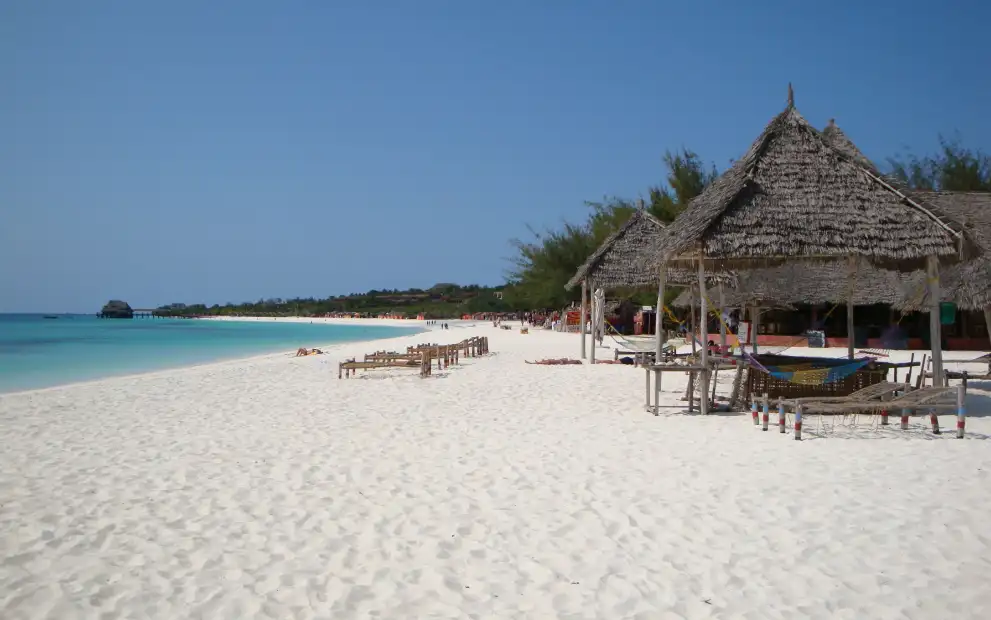
Zanzibar is Tanzania’s crown jewel on the coast and one of the most beautiful islands in the Indian Ocean. Stone Town, the island’s ancient trading port, is a UNESCO World Heritage Site with a labyrinth of narrow streets, carved wooden doors, and a fascinating history at the intersection of Arab, Indian, and African cultures. The beaches on the north and east coasts are genuinely world-class. A week in the Serengeti followed by five days in Zanzibar is one of the finest two-week itineraries in all of African travel.
| 🇹🇿 Tanzania at a Glance | |
| Best time to visit | June to October (dry season); January to February (calving season in Serengeti) |
| Top parks and reserves | Serengeti, Ngorongoro Crater, Tarangire, Ruaha, Selous (Nyerere), Lake Manyara |
| Great for | First-timers, wildlife purists, beach and safari combinations, honeymoons |
| Getting there | Flights via Nairobi, Addis Ababa, Dubai, or Amsterdam to Kilimanjaro or Dar es Salaam |
| Combine with | Kenya (Masai Mara), Zanzibar (beach), Rwanda (gorillas) |
See our Tanzania safari itineraries, including options that combine the Serengeti with Zanzibar.
Rwanda: The Land of a Thousand Hills and Gorilla Trekking
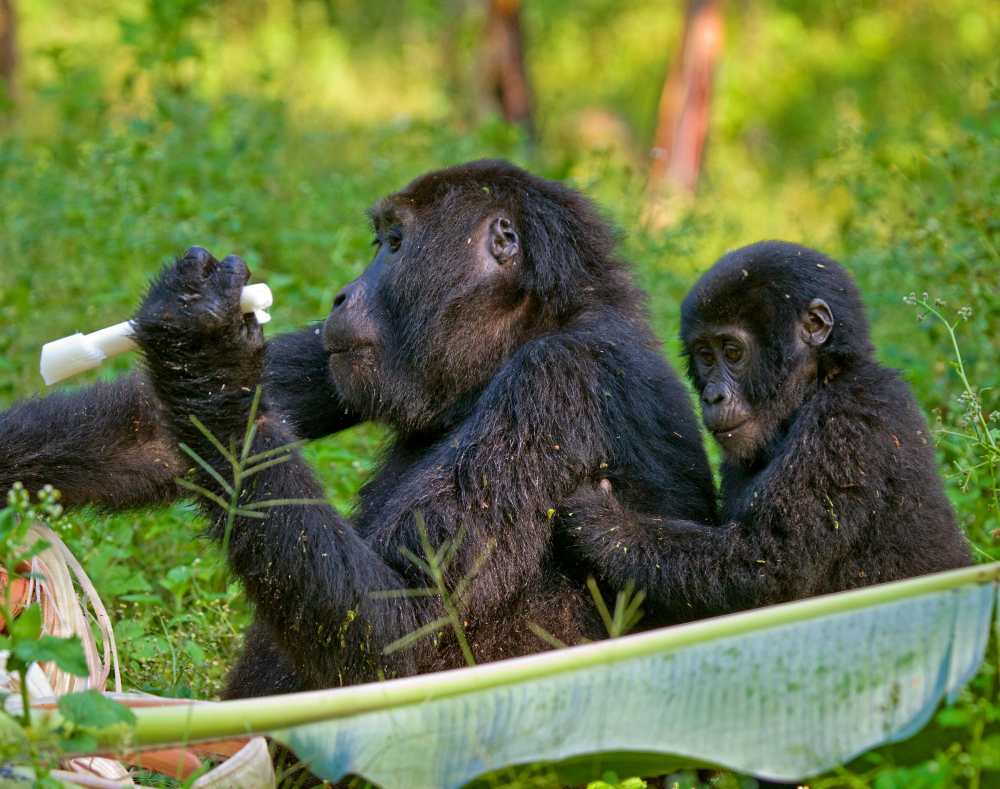
Rwanda is unlike any other African holiday destination. It is a small, densely forested, intensely green country in Central Africa, and its primary draw is one of the most profound wildlife encounters available anywhere in the world: mountain gorilla trekking in the Volcanoes National Park.
Sitting face to face with a family of wild mountain gorillas in their natural forest habitat is an experience that reduces grown adults to tears. It is one of those encounters that fundamentally shifts your relationship with the natural world. If that sounds dramatic, ask anyone who has done it. They will tell you it is not dramatic enough.
The practicalities of gorilla trekking
Gorilla permits in Rwanda cost $1,500 per person per day, which makes it one of the most expensive single wildlife experiences in Africa. That price reflects the extraordinary conservation work that has brought mountain gorilla populations back from the brink, and it funds the rangers and community programs that protect both the gorillas and the forests they depend on. For most visitors, the permit cost is worth every cent.
The trek itself varies from a one-hour walk to a full day in the forest depending on where the gorilla group is located that morning. You spend one hour with the gorillas once found. It is never long enough.
Rwanda beyond the gorillas
Kigali, Rwanda’s capital, is one of Africa’s cleanest, safest, and most walkable cities, and well worth a day or two. The genocide memorial is a sobering and essential visit for understanding Rwanda’s extraordinary transformation over the past three decades. Lake Kivu to the west of the country is a beautiful freshwater lake with a relaxed beach town feel that makes a lovely addition to a gorilla trek itinerary.
| 🇷🇼 Rwanda at a Glance | |
| Best time to visit | June to September and December to February (drier months, better trekking conditions) |
| Top experiences | Mountain gorilla trekking, golden monkey tracking, Kigali city, Lake Kivu |
| Great for | Once-in-a-lifetime wildlife encounters, nature lovers, responsible tourism advocates |
| Getting there | Direct flights from London, Brussels, and other hubs to Kigali International Airport |
| Combine with | Kenya, Tanzania, Uganda (chimpanzee trekking) |
Find out more about gorilla trekking in Rwanda, including how to combine it with other East Africa destinations.
Southern Africa: Variety, Value, and Some of Africa’s Greatest Wilderness
Southern Africa offers a different kind of African holiday from its East African counterpart. The landscapes are more varied, the wildlife experiences range from self-drive national parks to exclusive private concessions, and the infrastructure in countries like South Africa is genuinely comparable to travelling in Europe. For first-time visitors who want flexibility and variety alongside their wildlife encounters, Southern Africa has a very compelling case.
South Africa: Africa’s Most Accessible Holiday Destination
South Africa is, in many ways, the ideal entry point to African travel for first-time visitors. It has world-class infrastructure, no need for antimalarial medication in many of its most popular safari areas (the private game reserves near Cape Town and the Western Cape), an extraordinary diversity of landscapes and experiences, and some of the best food and wine on the continent.
But ease of access does not mean South Africa is somehow less special than other African destinations. The wildlife in Kruger National Park and the surrounding private reserves is genuinely world-class. The Cape Winelands are beautiful. The Garden Route is one of the finest coastal drives in the world. Cape Town consistently ranks among the best cities on earth. And the country’s cultural richness, shaped by a complex and fascinating history, gives any visit a depth that purely wildlife-focused destinations sometimes lack.
Kruger National Park and the private reserves
Kruger is one of Africa’s greatest national parks, covering nearly 20,000 square kilometres and supporting all of the Big Five alongside an extraordinary range of bird and reptile species. It is also one of the few African parks where self-drive is genuinely excellent: the roads are good, the camps are comfortable, and the wildlife viewing from a hire car is outstanding. For those who prefer a guided experience, the private game reserves bordering Kruger’s western edge, including Sabi Sands, Thornybush, and Timbavati, offer some of Africa’s finest lodge experiences.
Cape Town and the Western Cape
Cape Town is in a category of its own. Table Mountain, the Cape Peninsula, Boulders Beach penguins, the V&A Waterfront, the Cape Winelands at Stellenbosch and Franschhoek — it is a city that could occupy a week of your time without you ever feeling bored. Most South Africa itineraries combine a few days in Cape Town with a safari in Kruger, and with both destinations being served by direct international flights, the logistics are about as simple as African travel gets.
| 🇿🇦 South Africa at a Glance | |
| Best time to visit | May to September (dry, cooler, excellent game viewing in Kruger) |
| Top experiences | Kruger National Park, Cape Town, Garden Route, Winelands, private game reserves |
| Great for | First-timers, families, self-drive travellers, beach and safari combinations, food and wine lovers |
| Getting there | Direct flights from London, New York, Dubai, and major hubs to Johannesburg or Cape Town |
| Combine with | Zimbabwe (Victoria Falls), Botswana (Okavango Delta), Mozambique (beaches) |
Botswana: Africa’s Premier Exclusive Safari Destination
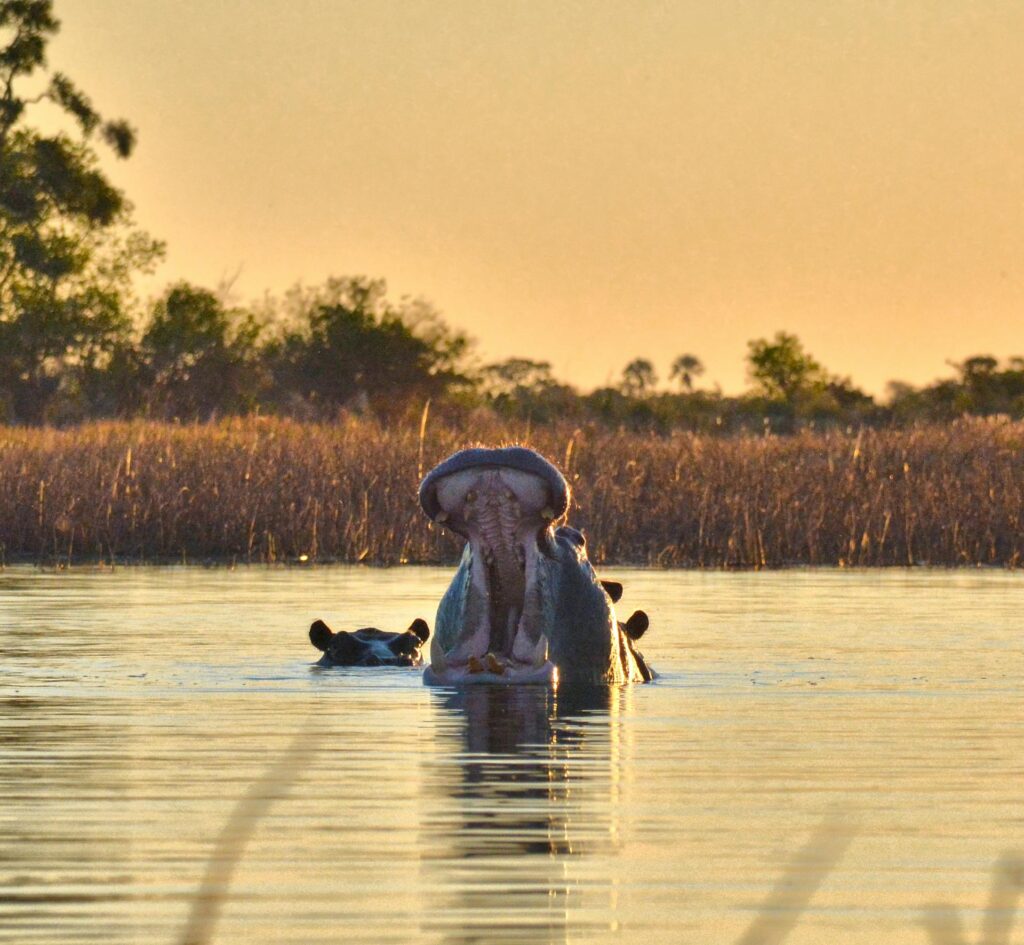
Botswana has built its safari reputation on a simple but powerful principle: high value, low volume. The country deliberately limits tourist numbers across its most precious wilderness areas, which means that when you are on a game drive in the Okavango Delta or Chobe National Park, you are not competing with fifty other vehicles for a sighting.
The result is some of the most exclusive and most pristine wildlife experiences in Africa. Botswana is not the cheapest destination on this list. But for travellers who are willing to invest in the experience, it delivers something that is genuinely irreplaceable.
The Okavango Delta
The Okavango Delta is one of Africa’s true natural wonders. An inland river delta in the middle of the Kalahari Desert, it floods seasonally to create a vast, shifting ecosystem of lagoons, channels, floodplains, and islands that supports extraordinary concentrations of wildlife. Game drives, mokoro (dugout canoe) excursions, and walking safaris through the delta are among the most memorable experiences in all of African travel. We have a full guide to the Okavango Delta if you want to go deeper.
Chobe National Park
Chobe is home to one of Africa’s largest elephant populations, with estimates putting the number at over 130,000 animals. In the dry season, when water sources concentrate, the elephant gatherings at the Chobe River are truly breathtaking in scale. Chobe is also one of the best places in Africa for lion, leopard, wild dog, and the full suite of large predators. It sits conveniently close to Victoria Falls, making it an easy addition to a Zimbabwe visit.
| 🇧🇼 Botswana at a Glance | |
| Best time to visit | May to October (dry season, wildlife concentrated around water sources) |
| Top experiences | Okavango Delta, Chobe National Park, Makgadikgadi Pans, Central Kalahari |
| Great for | Exclusive safari experiences, wildlife photographers, serious wildlife enthusiasts |
| Getting there | Fly via Johannesburg or Nairobi to Maun (Okavango) or Kasane (Chobe) |
| Combine with | Zimbabwe (Victoria Falls), Zambia (Victoria Falls, South Luangwa), South Africa |
Zambia: Africa’s Best-Kept Safari Secret
Ask most safari veterans where they would go for the most authentic African bush experience, and a large number will say Zambia. It is less visited than its neighbours, which means its wilderness areas feel genuinely wild. The guiding tradition here runs deep, the walking safari culture is unmatched anywhere in Africa, and the sense of being somewhere few others have been is palpable.
Zambia is not the easiest destination for first-time visitors, but it is not as challenging as its reputation sometimes suggests either. With a good safari operator managing the logistics, it is entirely accessible, and the rewards are exceptional.
South Luangwa National Park
South Luangwa is Zambia’s most celebrated park and the spiritual home of the walking safari. The park sits in the Luangwa Valley and supports enormous concentrations of wildlife, particularly leopard, elephant, and hippo. The legendary Norman Carr developed the walking safari concept here in the 1950s, and today it remains the defining Zambia wildlife experience: moving through the bush on foot, guided by someone who reads the landscape like a book.
The Lower Zambezi
The Lower Zambezi National Park is where land meets water in the most spectacular way. The park sits along the banks of the Zambezi River, opposite Zimbabwe’s Mana Pools National Park, and activities combine game drives with canoe safaris, boat trips, and tiger fishing. The riverine wildlife is extraordinary, with hippo pods, crocodiles, and elephants wading across the river as a matter of daily routine.
| 🇿🇲 Zambia at a Glance | |
| Best time to visit | May to October (dry season); June to August for walking safaris |
| Top experiences | South Luangwa walking safaris, Lower Zambezi canoe safaris, Victoria Falls |
| Great for | Authentic bush experiences, walking safari enthusiasts, adventurous travellers |
| Getting there | Fly via Johannesburg or Nairobi to Lusaka, then connect to Mfuwe (South Luangwa) or Livingstone |
| Combine with | Zimbabwe (Victoria Falls), Botswana (Chobe and Okavango Delta) |
Zimbabwe: Victoria Falls and One of Africa’s Finest Wilderness Parks
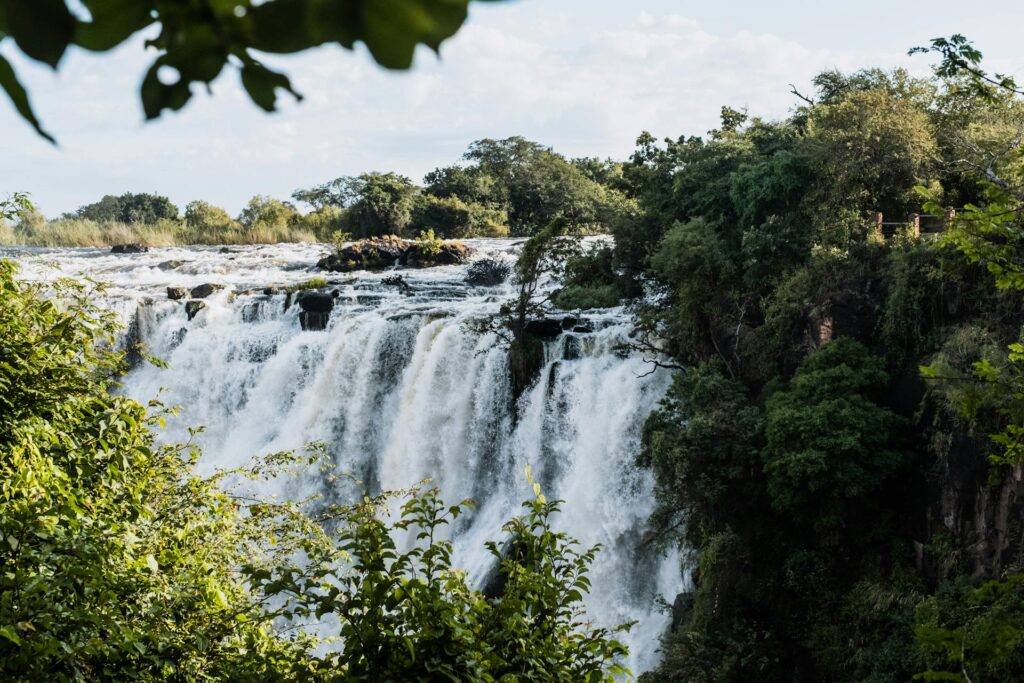
Zimbabwe deserves far more attention than it typically receives from first-time visitors. Yes, the country had a turbulent period politically and economically, but its safari infrastructure has rebuilt strongly, and it now offers some of the best value wildlife experiences in Southern Africa alongside one of the seven natural wonders of the world.
Victoria Falls
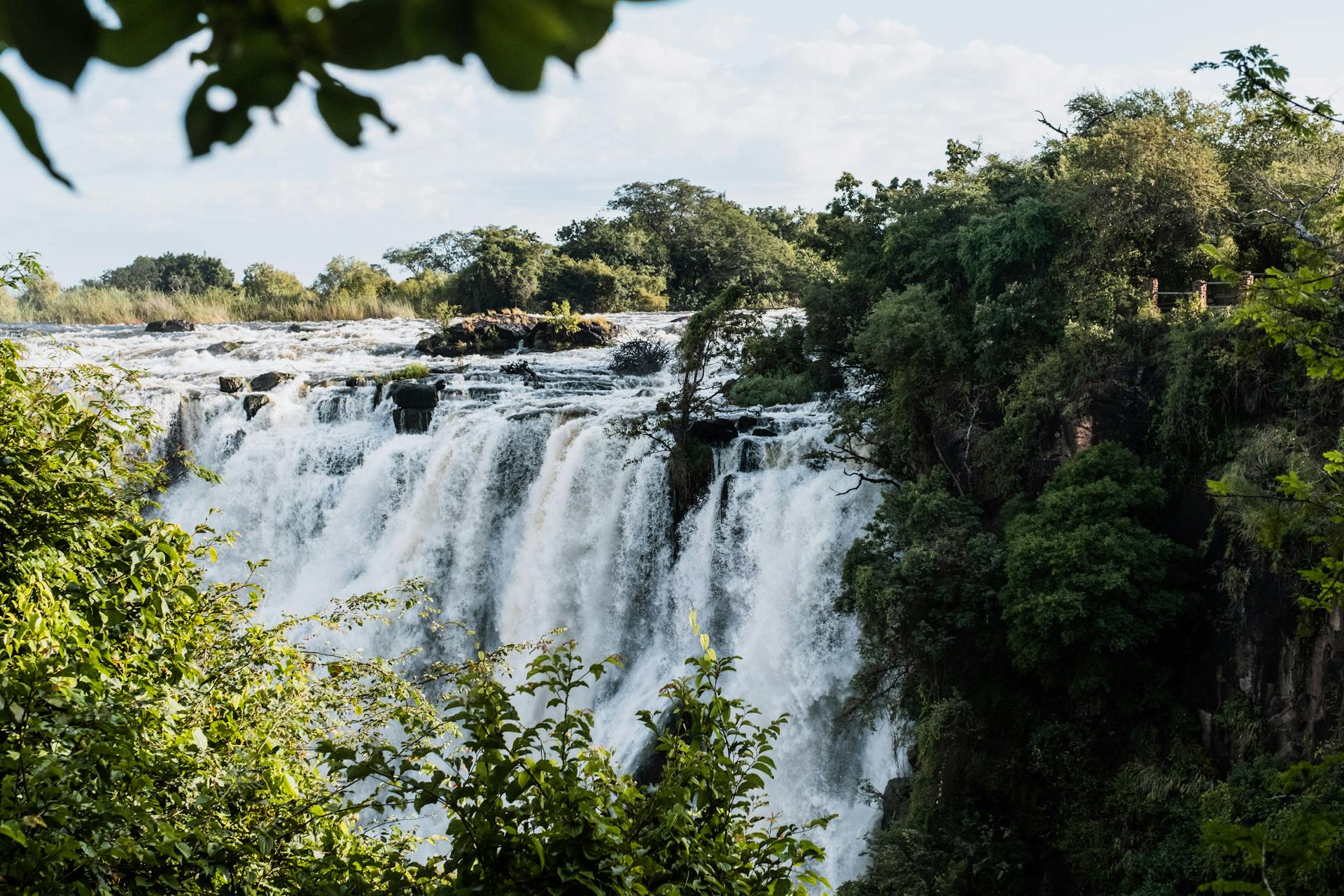
Victoria Falls is not just a waterfall. At nearly 1,700 metres wide and over 100 metres tall, it is the largest curtain of falling water on earth. The Zimbabwean side gives you the best frontal view of the falls, and the surrounding area offers an extraordinary range of activities including white water rafting, bungee jumping, helicopter flights, sunset cruises on the Zambezi, and game drives into the Zambezi National Park. It is a natural spectacle that genuinely lives up to every superlative used to describe it.
Hwange National Park
Hwange is Zimbabwe’s largest national park and one of Africa’s great elephant strongholds. Elephant populations here run into the tens of thousands, and in the dry season the waterholes attract gatherings of extraordinary scale. Hwange also has excellent populations of lion, wild dog, and a remarkable range of antelope species. It is less visited than comparable parks in Kenya or South Africa, which gives every safari here a pleasingly exclusive feel.
| 🇿🇼 Zimbabwe at a Glance | |
| Best time to visit | May to October (dry season); July to September for peak game viewing at Hwange |
| Top experiences | Victoria Falls, Hwange National Park, Mana Pools, Zambezi River activities |
| Great for | Adventure travellers, families (Victoria Falls), first-timers wanting value, canoe safari enthusiasts |
| Getting there | Fly via Johannesburg or Nairobi to Victoria Falls International or Harare |
| Combine with | Botswana (Chobe), Zambia (South Luangwa), South Africa |
See our Zimbabwe safari packages for Victoria Falls and Hwange itineraries, including combinations with Botswana and Zambia.
How the Destinations Compare: A Quick Reference
Use this table to get a fast sense of how each destination stacks up across the factors that matter most to first-time visitors. Ratings are subjective and based on our team’s direct experience across all seven destinations.
| Category | Kenya | Tanzania | Botswana | South Africa | Zambia | Zimbabwe | Rwanda |
| Best for wildlife | ★★★★★ | ★★★★★ | ★★★★★ | ★★★★★ | ★★★★☆ | ★★★★☆ | ★★★☆☆ |
| Value for money | ★★★★☆ | ★★★★☆ | ★★★☆☆ | ★★★★★ | ★★★★★ | ★★★★★ | ★★★☆☆ |
| Ease for first-timers | ★★★★★ | ★★★★☆ | ★★★☆☆ | ★★★★★ | ★★★☆☆ | ★★★★☆ | ★★★★☆ |
| Beach combination | ★★★★★ | ★★★★★ | ★★☆☆☆ | ★★★★☆ | ★★☆☆☆ | ★★☆☆☆ | ★★☆☆☆ |
| Unique experience factor | ★★★★☆ | ★★★★☆ | ★★★★★ | ★★★★☆ | ★★★★★ | ★★★★☆ | ★★★★★ |
How to Combine African Destinations Into One Trip
One of the great advantages of African travel is how well many destinations combine with each other. Here are some of the classic multi-country itineraries our team puts together most often for first-time visitors.
The East Africa Classic (10 to 14 days)
Kenya and Tanzania together form one of the world’s great safari itineraries. Fly into Nairobi, spend three or four nights in the Masai Mara, then cross into Tanzania for the Serengeti and Ngorongoro Crater, finishing with a few days in Zanzibar. This combination covers two iconic safari destinations, the Great Migration, and one of the Indian Ocean’s best beaches. It works brilliantly as a first Africa trip.
The Victoria Falls Triangle (10 to 12 days)
Victoria Falls, Botswana, and Zambia sit in close geographical proximity and combine beautifully. Arrive at Victoria Falls in Zimbabwe, spend two nights experiencing the falls and river activities, then fly to Chobe in Botswana for three nights, before finishing in the Lower Zambezi or South Luangwa in Zambia. Three countries, three distinct wilderness experiences, and a natural wonder to start it all. Outstanding value given the quality of wildlife across all three.
South Africa Explorer (10 to 14 days)
South Africa is the only destination on this list where you can easily combine a major city, a wine region, a coastal road trip, and a Big Five safari in a single two-week trip. Fly into Cape Town, spend three days including a day at the Cape Peninsula and a half day in the Winelands, drive the Garden Route over two or three days, then fly to Johannesburg and transfer to a private game reserve bordering Kruger for four nights. Diverse, accessible, extraordinary.
The Grand East and Southern Africa Safari (21 days)
For those with three weeks and a sense of adventure, a combination of Tanzania, Rwanda, and either Botswana or Zambia covers East Africa wildlife, gorilla trekking, and Southern Africa wilderness in a single trip. It requires careful logistics and a knowledgeable operator to piece together well, but for those who want to go deep on Africa in one trip, this kind of itinerary is hard to beat.
Our team loves designing multi-country itineraries. Tell us what you are dreaming of and we will build something special.
Practical Planning Guide for First-Time African Visitors
Here are the key practical considerations that apply across most African holiday destinations.
Visas and Entry Requirements
Visa requirements vary significantly by destination and by your nationality. Kenya, Tanzania, and Rwanda all offer e-visas that can be obtained online before travel. South Africa does not require a visa for most Western nationals for stays under 90 days. Botswana and Zambia are generally visa-free or offer visas on arrival for most visitors. Zimbabwe offers the KAZA UNIVISA which covers both Zimbabwe and Zambia, ideal for the Victoria Falls triangle itinerary.
Always check the current entry requirements for your specific nationality well in advance of travel, as these change. Your safari operator should brief you on exactly what you need.
Health and Vaccinations
Health requirements and recommendations vary by destination. Malaria is a consideration in most safari areas across East and Southern Africa, though the risk level varies significantly by location, altitude, and season. Yellow fever vaccination is required for entry to several African countries and recommended for others. Hepatitis A and typhoid vaccinations are generally recommended for all African travel.
We strongly recommend consulting a travel health clinic or your GP at least six to eight weeks before departure to confirm what vaccinations and prophylaxis are appropriate for your specific itinerary. Your Maudie Safaris team will also brief you on health considerations as part of your pre-departure preparation.
What to Pack for an African Holiday
Packing for an African safari involves a few specific considerations that differ from standard holiday packing.
- Clothing colours: Neutral tones (khaki, olive, sand, light grey) are standard for safari. Avoid blue and black, which attract tsetse flies, and avoid bright whites and neon colours which can disturb wildlife.
- Luggage weight limits: Bush planes typically have strict weight limits of 15kg of soft-sided luggage. Hard-shell suitcases cannot be accommodated on small aircraft. Pack in a soft duffel bag and keep your overall weight within limits.
- Layers: Early morning game drives can be surprisingly cold even in warm climates. A fleece or light down jacket is essential regardless of the season.
- Sun protection: The African sun is strong. High-factor sunscreen, a wide-brimmed hat, and UV-protective sunglasses are necessities, not luxuries.
- Binoculars: A decent pair of binoculars transforms your game drive experience. If you do not own a pair, it is worth investing before you travel.
- Camera: Your phone camera will work well for many safari situations. If you have a DSLR or mirrorless camera, bring it. A telephoto lens of 300mm or more opens up a different level of wildlife photography.
Currency and Money
Most safari lodges operate on a cashless basis for your main bill, with credit cards accepted. However, cash is useful for tips, community markets, and smaller purchases. US dollars are widely accepted across East and Southern Africa and are the most practical currency to travel with. South African rand is useful within South Africa. Avoid carrying large amounts of cash and use hotel safes for anything you do not need on you.
Getting the Best Out of Your Guide
Your guide is the most important person on your safari. They are not just a driver. They are a trained naturalist, a tracker, a bush mechanic, and often a wonderful storyteller with a lifetime of knowledge about the landscapes and animals you are seeing. Here is how to get the most out of that relationship.
- Ask questions. A good guide loves an engaged client. Ask about animal behaviour, ecology, the landscape, the local community. They will go deeper if they sense genuine curiosity.
- Tell your guide what you are most hoping to see. They will prioritise your interests if they know what they are.
- Trust their decisions. If your guide decides to spend an hour watching a pride of lions when you have been hoping to see a cheetah, there is almost certainly a reason. Patience in the bush is always rewarded.
- Tip generously. Guiding is physically demanding, often involves antisocial hours, and the best guides have dedicated their careers to an expertise that is extraordinary. A tip of $15 to $25 per person per day is standard and genuinely appreciated.
Frequently Asked Questions About Holidays in African Countries
Which African country is best for a first safari?
Kenya and Tanzania are the most popular choices for first-time safari visitors for good reason. They offer outstanding wildlife, well-developed tourism infrastructure, and a range of options at different price points. South Africa is also an excellent first destination for those who want maximum flexibility and ease. The best choice ultimately depends on your budget, your travel style, and what kind of experience you are prioritising.
Is Africa safe for tourists?
The vast majority of the African destinations popular with tourists are very safe for visitors who take sensible precautions. Kenya, Tanzania, Rwanda, Botswana, Zambia, Zimbabwe, and South Africa all receive millions of international visitors each year. As with any international travel, you should research your destination, follow local advice, avoid flashing valuables in cities, and use reputable operators and transportation. Your safari operator should brief you on any specific considerations for your itinerary.
What is the best time of year to visit Africa?
This depends entirely on where you are going and what you want to see. As a general rule, the dry season (roughly May to October in most of Africa) offers the best game viewing because wildlife congregates around water sources and vegetation is less dense. However, the wet season has its own rewards: the landscape is lush and beautiful, young animals are born, and prices are significantly lower. A good safari operator will help you time your visit for the best combination of wildlife and value.
How much does an African holiday cost?
This varies enormously depending on destination, time of year, lodge choice, and group size. A mid-range safari in Kenya or Tanzania can be done for $3,000 to $5,000 per person for ten days, all-inclusive in the bush. A luxury Botswana safari might cost $8,000 to $15,000 per person for the same duration. South Africa is generally the most affordable combination of wildlife and city experiences. Contact Maudie Safaris with your specific requirements and we will give you an honest picture of what your ideal trip is likely to cost.
Do I need a specialist operator or can I book my African holiday myself?
You can book many African destinations independently, particularly South Africa where self-drive is straightforward. However, for multi-country itineraries involving bush planes, remote lodges, national park permits, and complex logistics, a specialist operator adds significant value. They have contracted rates (often matching or beating direct prices), first-hand knowledge you cannot get from online reviews, and the relationships and experience to fix things when they go wrong. Most of our clients tell us afterwards that using a specialist was the best decision they made.
Can children do a safari in Africa?
Yes, many lodges across Africa are very family-friendly and some have excellent dedicated children’s programmes. The main considerations are minimum age requirements (some lodges require children to be at least six years old for game drives; others welcome younger children) and choosing a destination and lodge that suits a younger traveller’s needs. South Africa, Kenya, and Tanzania are generally the most family-friendly destinations. Tell us the ages of your children when you enquire and we will match you to a lodge that genuinely loves having families.
Start Planning Your African Holiday Today
Africa is the most extraordinary place on earth to travel. That is not marketing hyperbole. It is something you hear from almost every first-time visitor who comes back, usually already thinking about when they can return.
The destinations in this guide represent a small but brilliant cross-section of what this continent offers. Kenya’s Masai Mara, Tanzania’s Serengeti, Rwanda’s mountain gorillas, Botswana’s Okavango Delta, Zambia’s walking safaris, Zimbabwe’s Victoria Falls, and South Africa’s Cape Peninsula are all genuinely among the best travel experiences in the world. Not just in Africa. In the world.
Wherever you decide to start, the most important thing is to go. The second most important thing is to go with someone who knows what they are doing.
The Maudie Safaris team has first-hand experience across every destination in this guide. Get in touch with us here and we will help you build the African holiday you have been dreaming about.
You can also browse our safari packages, explore all our destinations, or read more from our travel blog for inspiration and practical advice.


