


 News & Tips
Why We Ban Single-Use Plastics on Our Safaris
A different kind of safari responsibility
When most people dream about a safari in Kenya, they imagine golden sunsets, vast savannahs, and close encounters with wildlife. What many do not think about is the impact that tourism can have on the very ecosystems they have come to experience.
As a safari planner based here in Kenya, I spend a lot of time thinking about that balance. How do we give you an unforgettable experience while also protecting the land, the animals, and the communities that make it all possible?
One of the most important decisions we have made is simple on the surface but powerful in practice. We do not allow single-use plastics on our safaris.
This is not a marketing angle. It is a deliberate commitment to conservation. If you are the kind of traveler who cares about nature, sustainability, and responsible tourism, this is something that directly affects your experience in a positive way.
Let me walk you through why this matters and how it shapes the way we plan every safari.
What we mean by single-use plastics
The everyday items we often overlook
Single-use plastics are items designed to be used once and then thrown away. They are convenient, cheap, and unfortunately everywhere.
Common examples include:
- Plastic water bottles
- Plastic straws
- Shopping bags
- Food wrappers and packaging
- Disposable cutlery
Individually, these items seem harmless. Collectively, they are one of the biggest environmental challenges we face today.
Why they are a problem in the wild
In a city, waste can be collected and managed, at least to some extent. In the wild, things work very differently.
On safari, you are often hundreds of kilometers away from advanced waste systems. A single plastic bottle left behind does not just disappear. It can remain in that environment for hundreds of years.
Even when disposed of properly, plastics can still end up:
- Blown by wind into the bush
- Washed into rivers and wetlands
- Broken down into microplastics that enter the food chain
This is why we take a firm stance from the beginning. Prevention is far more effective than cleanup.
The hidden cost of plastics in Kenya’s ecosystems
Plastics do not go away
One of the biggest misconceptions is that plastic waste is temporary. In reality, most plastics do not biodegrade. They break down into smaller pieces over time, becoming microplastics.
These tiny particles:
- Contaminate soil and water
- Are consumed by insects, fish, and animals
- Eventually move up the food chain
In a delicate ecosystem, this has long-term consequences that are often invisible until it is too late.
How waste spreads in natural environments
Unlike urban areas, nature does not have boundaries or containment systems. A piece of plastic dropped in one place can travel far beyond it.
For example:
- Wind can carry lightweight plastics across open plains
- Rain can wash waste into rivers that feed entire ecosystems
- Animals can move items from one location to another
What starts as a small act can affect a much larger area than you might expect.
How plastics affect wildlife
Ingestion and mistaken food
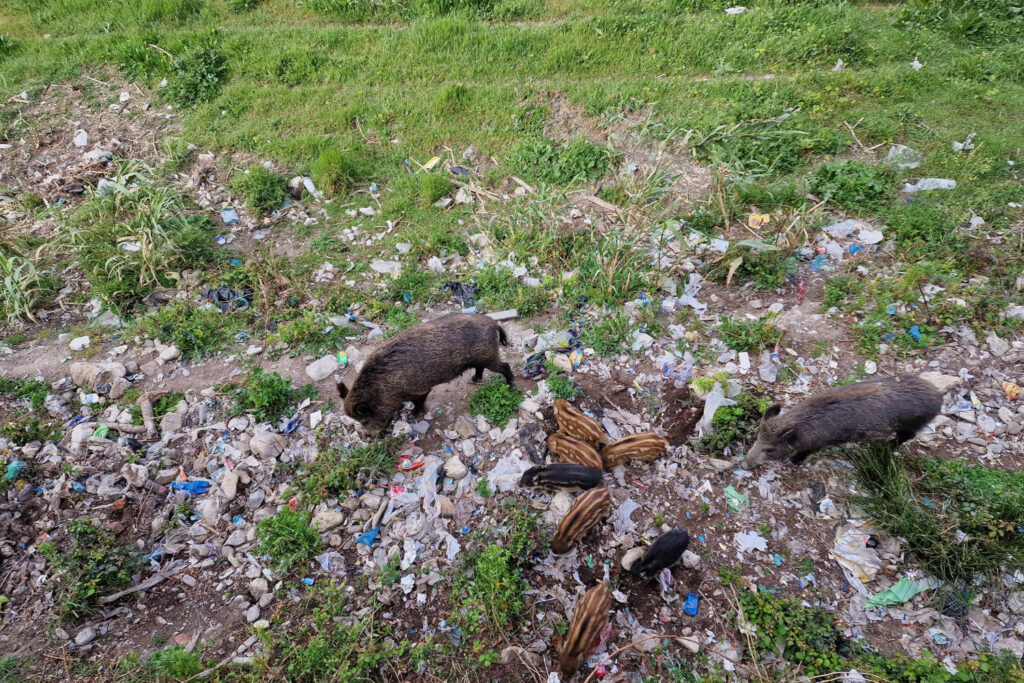
Animals do not recognize plastic as waste. Many mistake it for food.
Elephants, antelope, and even birds may ingest plastic materials, leading to:
- Blocked digestive systems
- Internal injuries
- Malnutrition or starvation
Marine life along the Kenyan coast faces similar risks, especially with floating plastics.
Entanglement and injury
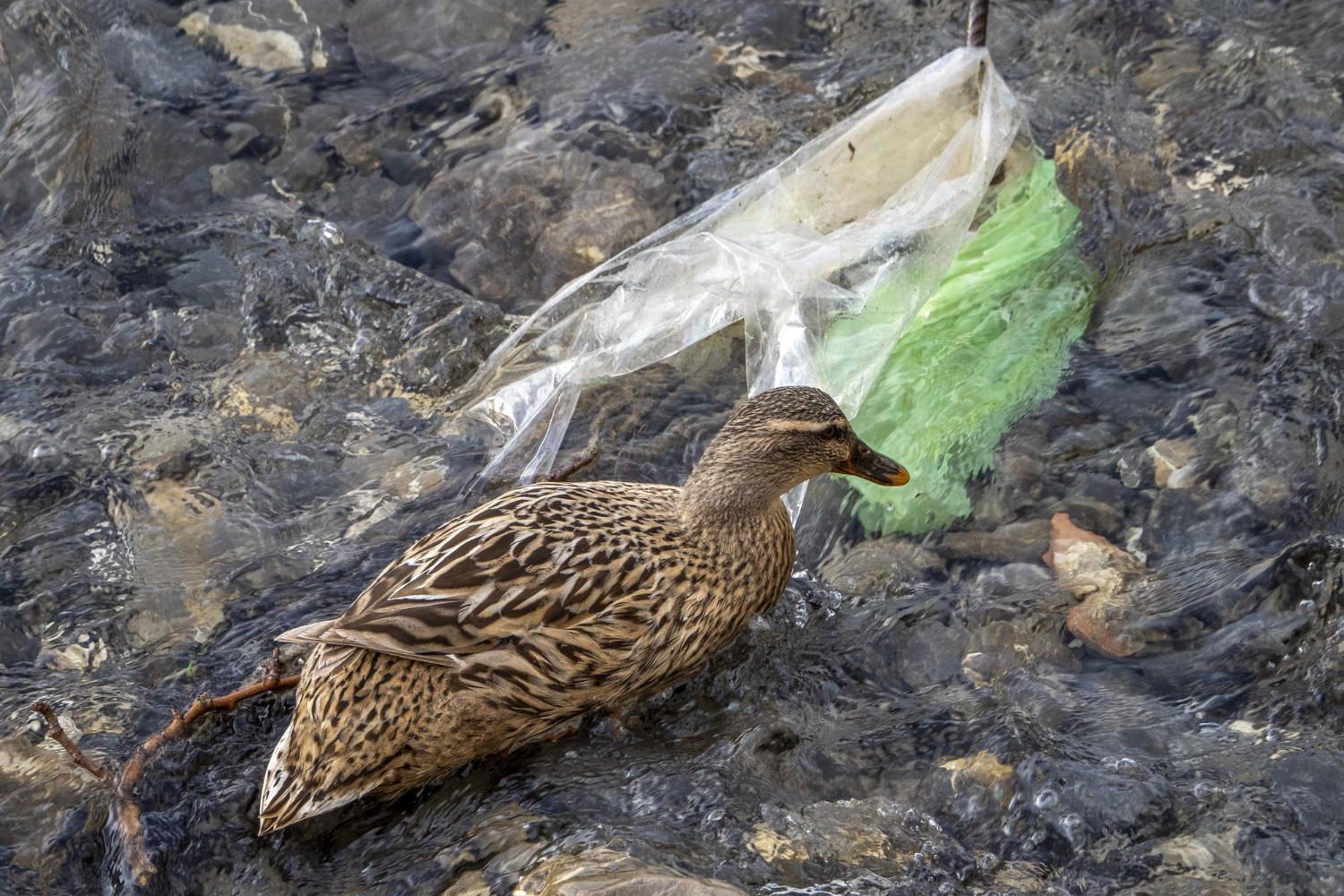
Plastic bags, packaging rings, and other materials can trap animals.
This can result in:
- Restricted movement
- Difficulty feeding
- Severe injuries or death
Even smaller items can cause harm, especially to birds and smaller mammals.
A quiet but serious threat
What makes plastic pollution particularly dangerous is that it is not always immediately visible. You may not see its effects during your safari, but that does not mean they are not there.
As operators, we see it as our responsibility to reduce this threat as much as possible.
Protecting Kenya’s most iconic landscapes
Kenya is home to some of the most celebrated wildlife areas in the world. Places like Maasai Mara National Reserve and Amboseli National Park are not just destinations. They are living ecosystems that support thousands of species.
Why these areas are so sensitive
These environments are:
- Biodiverse and interconnected
- Dependent on natural cycles
- Vulnerable to human impact
Even small disruptions can have ripple effects across the ecosystem.
Tourism as both opportunity and risk
Tourism plays a crucial role in conservation. It generates revenue, supports local communities, and funds protection efforts.
At the same time, increased visitor numbers can lead to:
- More waste
- Greater pressure on natural resources
- Higher risk of environmental degradation
Our goal is to ensure that tourism remains part of the solution, not the problem.
Our plastic-free safari policy in action
No single-use plastic bottles
Instead of providing disposable water bottles, we:
- Supply reusable bottles to guests
- Offer refill stations in vehicles and lodges
- Ensure clean, safe drinking water throughout your journey
Eliminating unnecessary packaging
We work closely with our partners to reduce waste at every stage:
- Meals are prepared with minimal packaging
- Snacks are provided in reusable or biodegradable containers
- Suppliers are encouraged to adopt eco-friendly practices
Responsible waste management
Even with reduced plastic use, waste still exists. We handle it carefully:
- All waste is collected and transported out of parks
- Proper disposal systems are used in designated areas
- Nothing is left behind in the wild
The alternatives we provide
Reusable essentials
We make it easy for you to travel sustainably by providing:
- Durable water bottles
- Reusable lunch boxes where needed
- Eco-friendly amenities at camps and lodges
Eco-conscious accommodations
We partner with lodges that share our values. These properties often:
- Avoid single-use plastics entirely
- Use solar energy and water conservation systems
- Support local conservation initiatives
Thoughtful planning
Every detail of your safari is designed with sustainability in mind. From transport to meals, we look for ways to reduce environmental impact without compromising your experience.
What this means for your safari experience
A cleaner, more authentic environment
When plastic waste is removed from the equation, the difference is noticeable.
You experience:
- Cleaner landscapes
- More natural surroundings
- A deeper sense of connection with the environment
Peace of mind
Many travelers today want to know that their trip is not causing harm. Our approach allows you to enjoy your safari without that concern.
You can focus on the experience, knowing that your presence is aligned with conservation efforts.
Your role as a responsible traveler
Simple actions that make a big difference
You do not need to be a conservation expert to make an impact. Small choices matter.
We encourage you to:
- Carry and use your reusable water bottle
- Avoid bringing unnecessary plastic items
- Dispose of waste responsibly
Being mindful in the wild
Respect for nature goes beyond plastics. It includes:
- Following park rules
- Keeping a safe distance from wildlife
- Avoiding littering of any kind
Travel with intention
When you choose a safari that prioritizes sustainability, you are supporting a larger movement. Your decisions help shape the future of tourism in Kenya.
Supporting conservation beyond the safari
Working with local communities
Conservation is not just about wildlife. It is also about people.
We support initiatives that:
- Provide jobs and income for local communities
- Promote sustainable livelihoods
- Encourage environmental stewardship
Aligning with national efforts
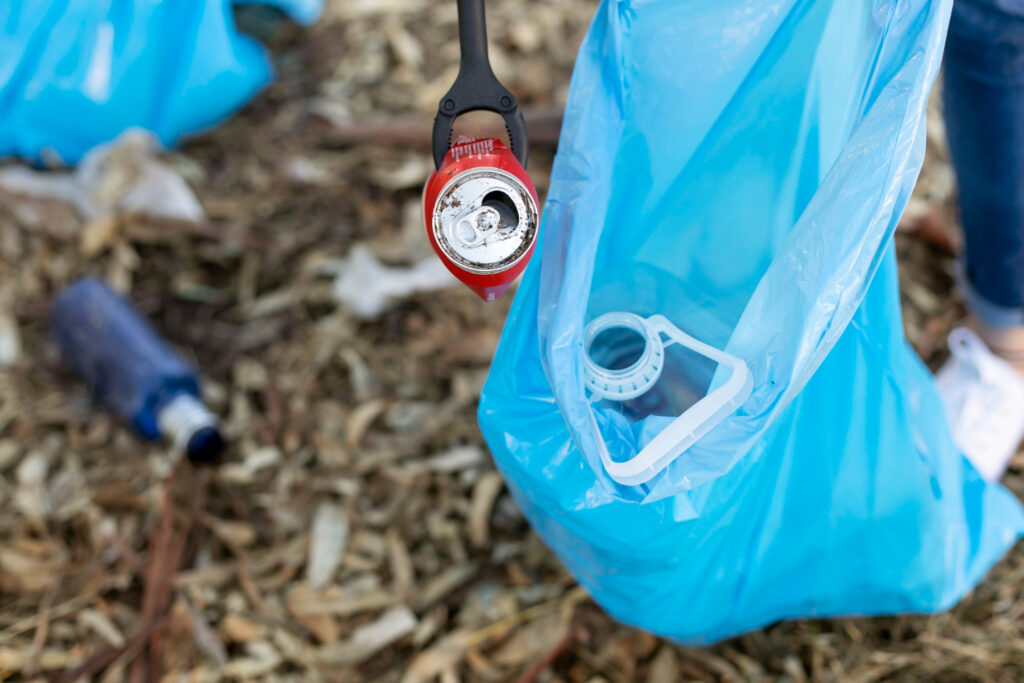
Kenya has made significant strides in reducing plastic waste, including bans on plastic bags in many areas.
Our policies align with these broader goals and help reinforce them at the ground level.
Why this matters more than ever
The scale of the problem
Plastic pollution is a global issue, but its effects are deeply local. In ecosystems like those found in Kenya, the impact can be especially severe.
Without action:
- Wildlife faces increasing threats
- Natural habitats degrade over time
- The quality of safari experiences declines
A proactive approach
Rather than reacting to the problem later, we choose to address it now. By eliminating single-use plastics, we reduce risk at the source.
Common questions we get
Will this affect my comfort?
Not at all. In many cases, the alternatives we provide are actually better.
Reusable bottles keep water cooler. Eco-friendly lodges often offer more thoughtful and high-quality amenities.
Is it difficult to adjust?
Most travelers adapt quickly. In fact, many appreciate the approach and take similar habits home with them.
Does it make a real difference?
Yes. Every piece of plastic avoided is one less item that could harm the environment. When combined across many यात्रs and travelers, the impact is significant.
The experience difference
A more meaningful journey
Travel is not just about seeing new places. It is about understanding them.
When you travel in a way that respects the environment, your experience becomes more meaningful. You are not just observing nature. You are helping protect it.
A deeper connection to Kenya
Kenya is not just a destination. It is a living, breathing landscape filled with incredible biodiversity and rich cultural heritage.
By choosing a plastic-free safari, you engage with it more thoughtfully and responsibly.
Final thoughts: travel that protects what it showcases
At the end of the day, a safari is about connection. Connection to nature, to wildlife, and to something bigger than ourselves.
Banning single-use plastics is one of the simplest and most effective ways we can protect that connection.
It ensures that:
- The landscapes remain unspoiled
- Wildlife stays safe
- Future generations can enjoy the same experiences
If you care about conservation, your travel choices matter. And when you choose to travel responsibly, you become part of the solution.
Travel should leave a positive impact, not a footprint. Our eco-friendly safari packages are designed to promote responsible travel in Kenya, ensuring you experience nature while helping preserve it for future generations.

